

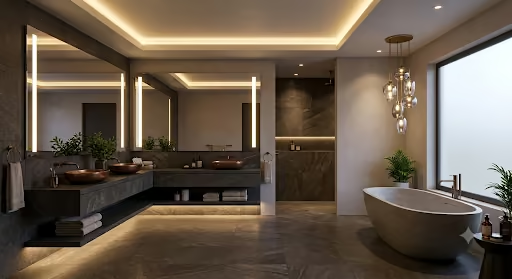
Better bathroom lighting can improve more than the appearance of a room. It can make everyday tasks easier, provide clearer visibility and help different areas of the bathroom serve their intended purpose. The most effective approach is to combine general illumination with focused lighting where it is needed, while considering the room’s layout, natural light and how the space will be used.
Lighting also needs to be considered early in a renovation. The position of the vanity, mirror, shower and other fixtures can influence where lights are most useful and how electrical work needs to be planned. The Australian Government recommends using natural light where possible and using lighting efficiently, while the NCC includes requirements for artificial lighting in relevant bathrooms and sanitary compartments.
For homeowners planning a small bathroom renovation Perth, considering lighting alongside the layout and fixtures from the beginning can help create a bathroom that feels comfortable, practical and visually balanced.
Why Does Bathroom Lighting Matter in a Renovation?
Bathroom lighting needs to do more than make the room brighter. It should provide useful illumination for everyday activities while working with the layout and finishes. A considered plan can help you:
- Provide general light throughout the room.
- Add focused illumination where detailed tasks take place.
- Make frequently used areas easier to see.
- Complement tiles, cabinetry, mirrors and fixtures.
- Make better use of available natural light.
What Types of Lighting Work Best in a Bathroom?
Different lighting types serve different purposes, so combining them can create a more practical result.
- Ambient lighting provides general illumination across the room.
- Task lighting provides more focused light around areas such as the vanity.
- Accent lighting can highlight selected architectural or decorative features.
This layered approach gives bathroom lighting design a practical purpose. Instead of treating every fitting as a decorative element, each source can have a defined role.
The right combination will depend on the bathroom’s size, layout, and available natural light.
Where Should Bathroom Lights Be Placed?
Good bathroom lighting placement starts with how each part of the room will be used. Consider:
- Vanity: Provide useful illumination for grooming and other close-up tasks.
- Mirror: Consider lighting that supports clear visibility around the mirror.
- Ceiling: Use general lighting to provide consistent illumination across the room.
- Shower: Select fittings that are suitable for their intended location and conditions.
- Controls: Plan switches and controls alongside the electrical layout.
Lighting placement should also be considered before walls, ceilings and cabinetry are finalised. This makes it easier to coordinate the electrical work with the finished design.
Why Is LED Lighting Worth Considering?
LED bathroom lighting can be a practical option when energy use and replacement frequency are considerations.
The Australian Government states that LEDs use about 75% less energy than halogen light bulbs and last 5 to 10 times longer.
LED products are available in different designs and light outputs, making them suitable for general, task and feature lighting.
However, efficiency should not be the only consideration. The fitting still needs to provide suitable illumination for its intended location and work with the overall lighting plan.
How Can Lighting Improve Comfort and Safety?
Useful bathroom lighting ideas should begin with the way people actually use the room. For example:
- Clear lighting around the vanity can make grooming easier.
- Consistent illumination can make fixtures and surfaces easier to see.
- Separate controls can allow different areas to be illuminated as required.
- Natural light can complement artificial lighting where the layout allows.
- Suitable fittings should be selected for their intended application.
The goal is not to install as many lights as possible. It is to create useful illumination in the places where it matters.
What Bathroom Lighting Mistakes Should You Avoid?
Even an attractive lighting scheme can perform poorly if it is not planned around the room. Avoid:
- Relying entirely on one central ceiling light.
- Positioning vanity lighting without considering shadows.
- Choosing fittings before confirming the layout.
- Ignoring available natural light.
- Selecting products without checking their intended application.
- Leaving electrical planning until late in the renovation.
- Choosing fittings purely because they are fashionable.
A smaller bathroom may need a different approach from a larger space with several functional areas.
How Should Lighting Be Planned During a Bathroom Renovation?
Lighting works best when it is planned with the rest of the renovation. Consider:
- Vanity and mirror positions.
- Shower and bath locations.
- Available natural light.
- Ceiling structure.
- Switch locations.
- Electrical requirements.
- How fittings will work with the selected finishes.
For homeowners considering Home Remodeling in Perth, coordinating these decisions early can help keep the lighting plan connected to the wider bathroom design. Working with quality bathroom renovation specialists can therefore help coordinate lighting with the broader layout, fixtures and finishes.
Conclusion
Better bathroom lighting comes from choosing and positioning lights according to how the space will be used. General, task and accent lighting can work together to improve everyday comfort while supporting the overall design.
Start with the layout and natural light, then identify where focused illumination is needed. Product suitability, energy efficiency and electrical requirements should also be considered before installation.
If you are planning a renovation, custom bathroom renovation services can help bring lighting, layout, fixtures and finishes together as part of one considered design.
FAQs
What Are the Best Bathroom Lighting Ideas for Modern Bathrooms?
A combination of general, task and accent lighting can create a balanced result. The right combination depends on the bathroom’s size, layout, natural light and intended use.
Why Is LED Bathroom Lighting Recommended for Bathroom Renovations?
LEDs can use considerably less energy than halogen lighting and generally have a longer operating life. Australian Government guidance states that LEDs use about 75% less energy than halogen bulbs and last 5 to 10 times longer.
Where Should Bathroom Lights Be Placed for the Best Results?
Placement should follow the activities carried out in each area. The vanity, mirror, ceiling and shower area may each require different considerations.
How Does Bathroom Lighting Design Improve Safety and Comfort?
A considered plan can provide useful illumination where it is needed and make everyday movement and activities easier. The NCC also includes requirements for artificial lighting in bathrooms and sanitary compartments in relevant circumstances.
What Common Bathroom Lighting Mistakes Should Be Avoided?
Avoid relying on one light source, overlooking the vanity area, choosing fittings before confirming the layout, and leaving electrical planning until late in the renovation.
