

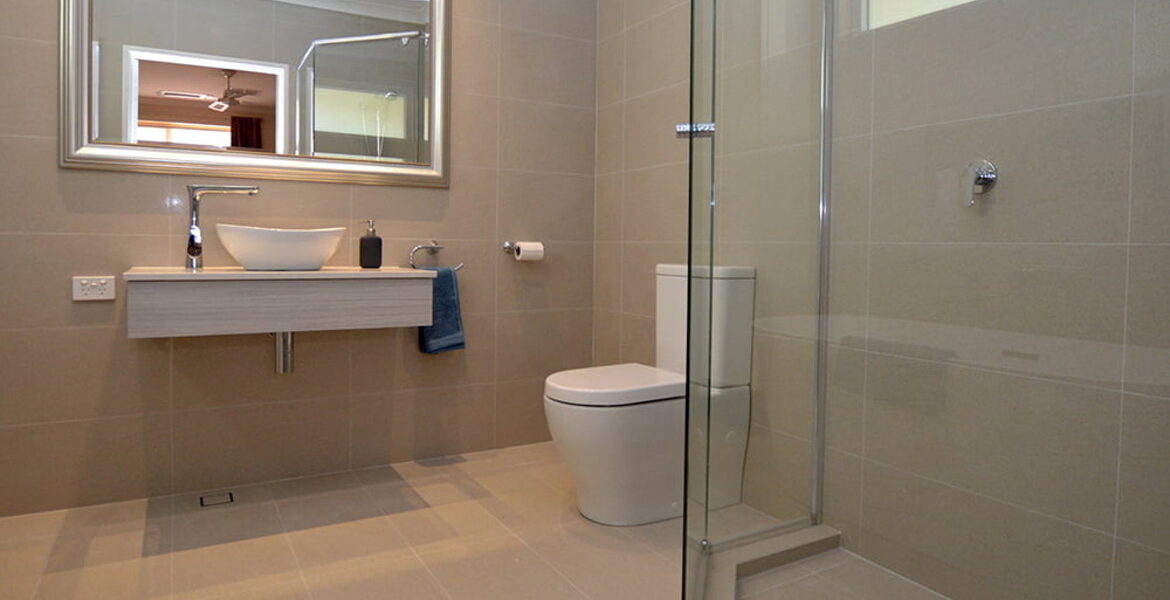
Choosing suitable materials is one of the most important decisions in any bathroom upgrade. While layouts and styling often receive the most attention, the surfaces and finishes used throughout the space will ultimately affect how well the renovation performs over time.
Bathrooms deal with daily exposure to moisture, humidity, heat, and regular wear. Materials that initially look attractive may not always hold up well under long-term use.
That is why a practical bathroom renovation materials guide is important before selecting tiles, cabinetry, flooring, and fixtures. The right choices can improve durability, reduce maintenance, and help create a bathroom that continues functioning well for years.
Whether you are updating an ensuite or renovating as part of broader full home renovation solutions, understanding how to make smarter material selections can help avoid expensive issues later.
Why Does Material Selection Matter in Bathroom Renovations?
The products used in a bathroom directly affect:
- long-term durability
- water resistance
- cleaning requirements
- maintenance costs
- overall functionality
Bathrooms are one of the most moisture-prone areas in any home. Unsuitable finishes can eventually contribute to:
- mould growth
- peeling surfaces
- cracked flooring
- swelling cabinetry
- grout deterioration
- water damage behind walls
This becomes particularly important in older Perth homes where ventilation systems and waterproofing layers may already be ageing behind existing bathroom structures.
Choosing reliable, moisture-resistant products early can help reduce future repair work while improving long-term renovation outcomes.
What Should You Consider Before Selecting Bathroom Finishes and Surfaces?
Before making design decisions, homeowners should first think about how the bathroom will actually be used each day.
A family bathroom usually requires different finishes compared to a guest ensuite or powder room.
When choosing bathroom renovation materials, important factors include:
- moisture resistance
- slip resistance
- durability
- maintenance requirements
- cleaning practicality
- design consistency
- long-term value
While budgets always matter, selecting products based only on the cheapest upfront price can often lead to higher replacement and maintenance costs later.
The most successful bathroom renovations usually balance:
- practicality
- durability
- aesthetics
- usability
Are Porcelain or Ceramic Tiles Better for Wet Areas?
Porcelain tiles are commonly preferred in bathrooms because they are:
- highly durable
- dense
- water resistant
- easier to maintain
Compared to ceramic options, porcelain generally absorbs less moisture, making it better suited for:
- bathroom flooring
- family bathrooms
- heavy-use wet zones
Ceramic tiles can still work well on walls and decorative areas, particularly in lower-moisture spaces.
Large-format tiles have also become increasingly popular because they reduce grout lines, creating a cleaner, lower-maintenance bathroom environment.
Is Quartz or Natural Stone Better for Bathroom Benchtops?
Natural stone can create a premium appearance and is often used in luxury-style bathrooms. However, many stone products require:
- regular sealing
- ongoing maintenance
- careful cleaning
Without proper care, some natural surfaces may stain or absorb moisture over time.
Quartz has become a popular alternative because it is:
- non-porous
- durable
- lower maintenance
- resistant to staining
For homeowners seeking a practical, long-lasting solution, quartz often strikes a good balance between appearance and functionality.
Why Is Waterproofing So Important in Bathroom Renovations?
Even premium finishes can fail over time if waterproofing underneath is poorly installed or unsuitable for wet areas.
According to the National Construction Code (NCC), Australian wet areas must meet waterproofing standards designed to reduce moisture-related building damage.
Source:
This is particularly relevant in older Perth homes where outdated waterproofing and poor ventilation may already exist behind bathroom walls and flooring systems.
Reliable waterproofing helps protect:
- wall structures
- flooring systems
- cabinetry
- adjoining rooms
- structural framing
Common moisture-resistant bathroom products include:
- porcelain wall and floor tiles
- sealed stone surfaces
- waterproof wall panels
- moisture-resistant cabinetry
- water-resistant paint systems
Which Materials Work Best in Family Bathrooms?
Family bathrooms typically experience:
- heavier daily use
- increased moisture exposure
- more cleaning
- higher wear and tear
Because of this, low-maintenance and durable finishes often work best.
Popular choices for busy bathrooms include:
- porcelain flooring
- quartz benchtops
- matte-finish cabinetry
- recessed storage niches
- frameless shower screens
Slip-resistant flooring is also important in family homes where long-term safety matters.
Which Finishes Help Smaller Bathrooms Feel More Spacious?
In compact bathrooms, material selections can influence how open the room feels visually.
Lighter colours and larger tiles often help reduce visual clutter while creating a more spacious appearance.
Space-enhancing design selections may include:
- floating vanities
- frameless shower screens
- recessed storage
- neutral finishes
- large-format wall tiles
These choices can improve both functionality and visual flow in smaller layouts.
Which Bathroom Products Are Worth Investing More In?
Not every bathroom finish needs to be premium, but some areas are worth prioritising for long-term durability.
Waterproofing Systems
Proper waterproofing remains one of the most important long-term investments in any bathroom project.
Flooring
Durable flooring helps reduce future issues such as cracking, lifting, and moisture damage.
Cabinetry
Moisture-resistant cabinetry performs better in humid environments and helps prevent swelling or peeling over time.
Fixtures and Tapware
Quality fixtures often:
- last longer
- require less maintenance
- perform more reliably
Choosing the cheapest products across every category can often result in:
- earlier replacements
- ongoing repairs
- higher maintenance expenses
Which Bathroom Surfaces Are Easiest to Maintain?
Low-maintenance finishes are particularly valuable in busy households.
Some of the easiest bathroom surfaces to clean and maintain include:
- porcelain tiles
- quartz benchtops
- frameless shower screens
- matte cabinetry
- large-format wall tiles
Ventilation also plays a major role in preserving bathroom finishes long-term. The Australian Government’s YourHome guidance highlights proper airflow as an important factor in reducing indoor moisture and condensation.
Good ventilation can help reduce:
- mould growth
- condensation build-up
- moisture damage
- peeling finishes
What Material Selection Mistakes Should Homeowners Avoid?
Common renovation mistakes include:
- prioritising appearance over practicality
- selecting slippery flooring
- overlooking maintenance needs
- choosing unsuitable wet-area products
- ignoring ventilation requirements
- combining too many finishes in one space
Another common issue is rushing selections during construction, which often creates inconsistencies and unnecessary delays.
Finalising products early usually helps create a smoother renovation process overall.
How Can Professional Renovation Guidance Help You Make Better Decisions?
Selecting bathroom finishes can quickly become overwhelming without experienced guidance, especially when balancing:
- budget
- durability
- maintenance
- design preferences
- functionality
Working with experienced bathroom renovation companies in Perth can make the process significantly easier.
At Principal Renovations, the focus is not only on creating visually appealing bathrooms but also on helping homeowners choose practical, long-lasting finishes suited to everyday living. From layout planning to product selection, the goal is to deliver bathrooms that balance functionality, durability, and design as part of broader full-home renovation solutions tailored to each household.
Bottom Line
Selecting durable, moisture-resistant finishes is one of the most important parts of a successful bathroom renovation. The right materials help improve functionality, reduce maintenance, and support better long-term performance.
By following a practical bathroom renovation materials guide, homeowners can make more confident decisions while balancing aesthetics, usability, maintenance, and long-term value.
Whether you are renovating a compact ensuite or planning larger full home renovation solutions, thoughtful material selection early in the project can help create a smoother renovation experience and better long-term results.
FAQs
What are the best materials for bathroom renovation projects?
Porcelain tiles, quartz benchtops, moisture-resistant cabinetry, and reliable waterproofing systems are among the most durable options for modern bathrooms.
How to choose bathroom renovation materials for durability?
Focus on moisture resistance, maintenance requirements, slip resistance, durability, and long-term practicality rather than appearance alone.
Which materials are most suitable for wet and humid bathrooms?
Porcelain tiles, waterproof wall systems, sealed stone surfaces, moisture-resistant cabinetry, and water-resistant finishes perform well in humid environments.
Are porcelain tiles better for bathrooms?
Porcelain tiles are often preferred because they are denser, more water-resistant, and generally more durable than standard ceramic products.
What bathroom materials are easiest to maintain?
Porcelain tiles, quartz surfaces, frameless shower screens, and large-format wall tiles are commonly chosen for their lower-maintenance benefits.
